1905 — 2026
A Century in Ink
The story of Conway Stewart, told from the company’s own archive.
The Door at 13 Paternoster Row
1905
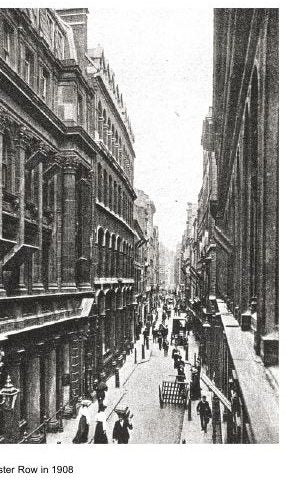
In early 1905 two young Londoners took a first-floor back room at 13 Paternoster Row, a narrow street of printers and booksellers behind St Paul's, and began to sell fountain pens. Francis Charles Jarvis was 22. Thomas Howard Garner was 28, and the rent was five shillings a week.
They did not make the pens. They bought the parts in from outside workshops, assembled them and sold them on, meaning to put a fountain pen within reach of people who could not afford one, at a time when the cheapest pen of a recognised make cost 10s. 6d. The name is believed to come from a vaudeville act of the day, though no source has ever settled it.
You are standing in a back room on the first floor. The rent is five shillings a week, and at the end of the first month the takings come to £13 14s 11d.


“Fifty years ago the first entry was made in the ledger of a company which had taken a small, one-room office in Paternoster Row. It read F. C. Jarvis (loan) £25; T. H. Garner (loan) £25.”
The Golden Jubilee tribute opened with the first line of the first ledger.
1905–1918
Wholesale Beginnings
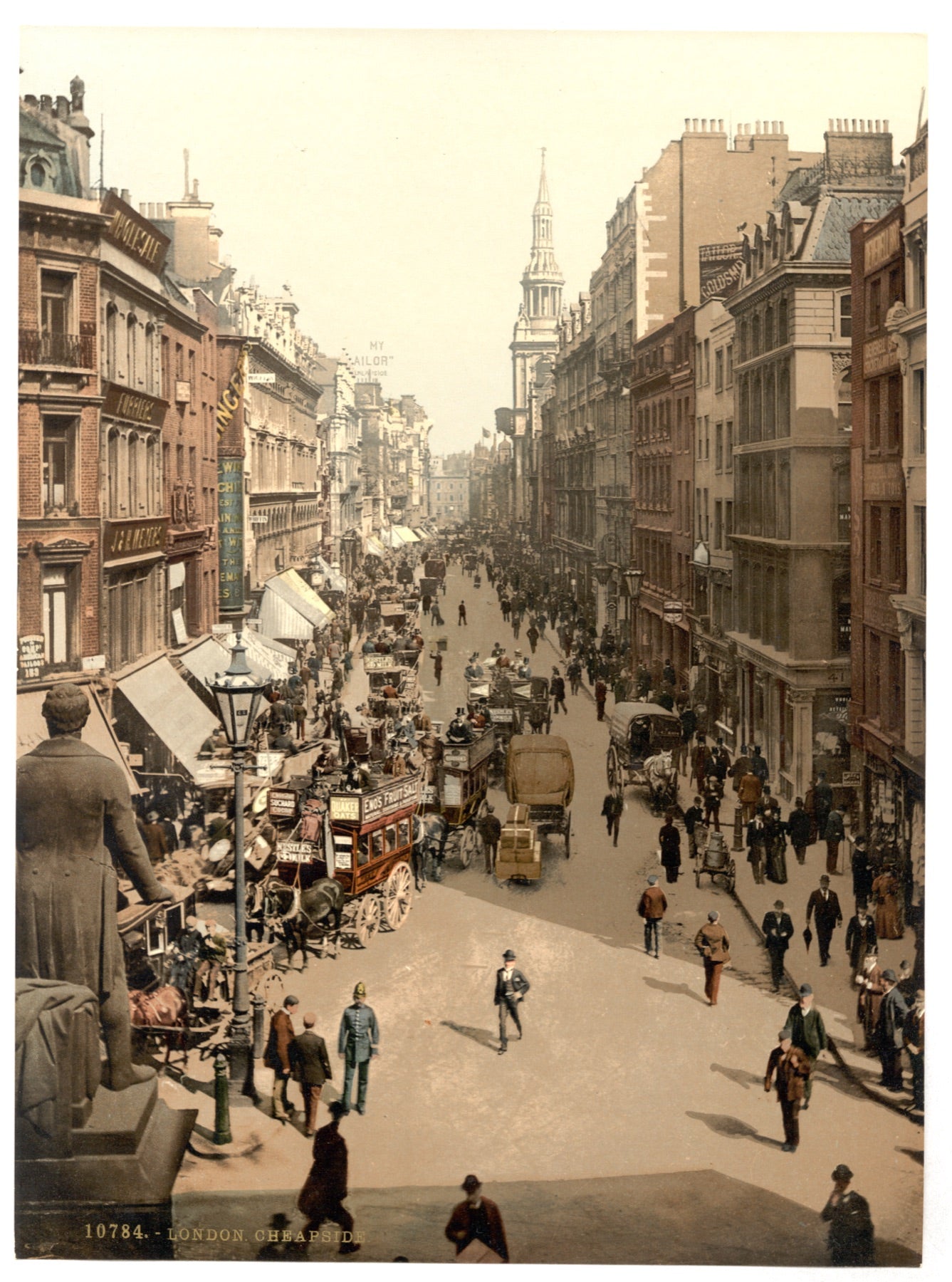
By June 1906 the two men had a company, Conway Stewart & Co, with a capital of £50 and three rooms further up the same street. Turnover that year passed £2,000 across nearly 900 separate sales, and the next year it more than doubled.
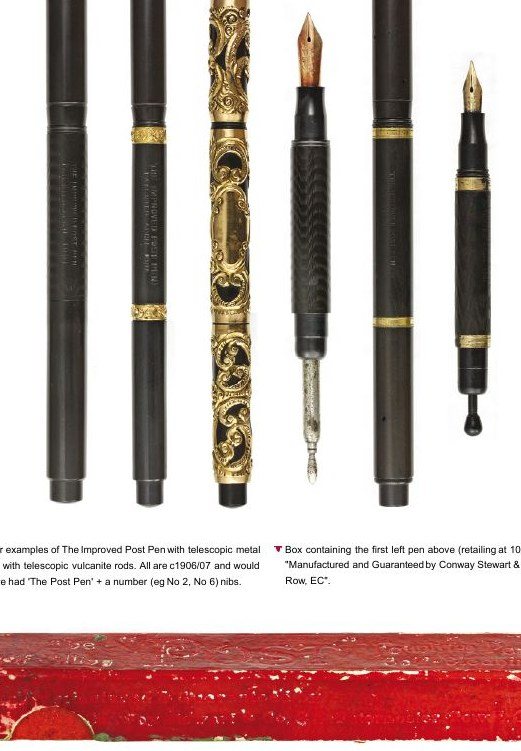
The pen that carried them was the Post, designed by Major Post of the Salvation Army. You pulled out a plunger rod and the pen drew up its own ink, probably the first self-filling fountain pen made in Europe. Ten branches of WH Smith took stock, from Penzance in the far south west to Scarborough on the Yorkshire coast, and then the war came and nearly all the firm's skilled workmen enlisted.
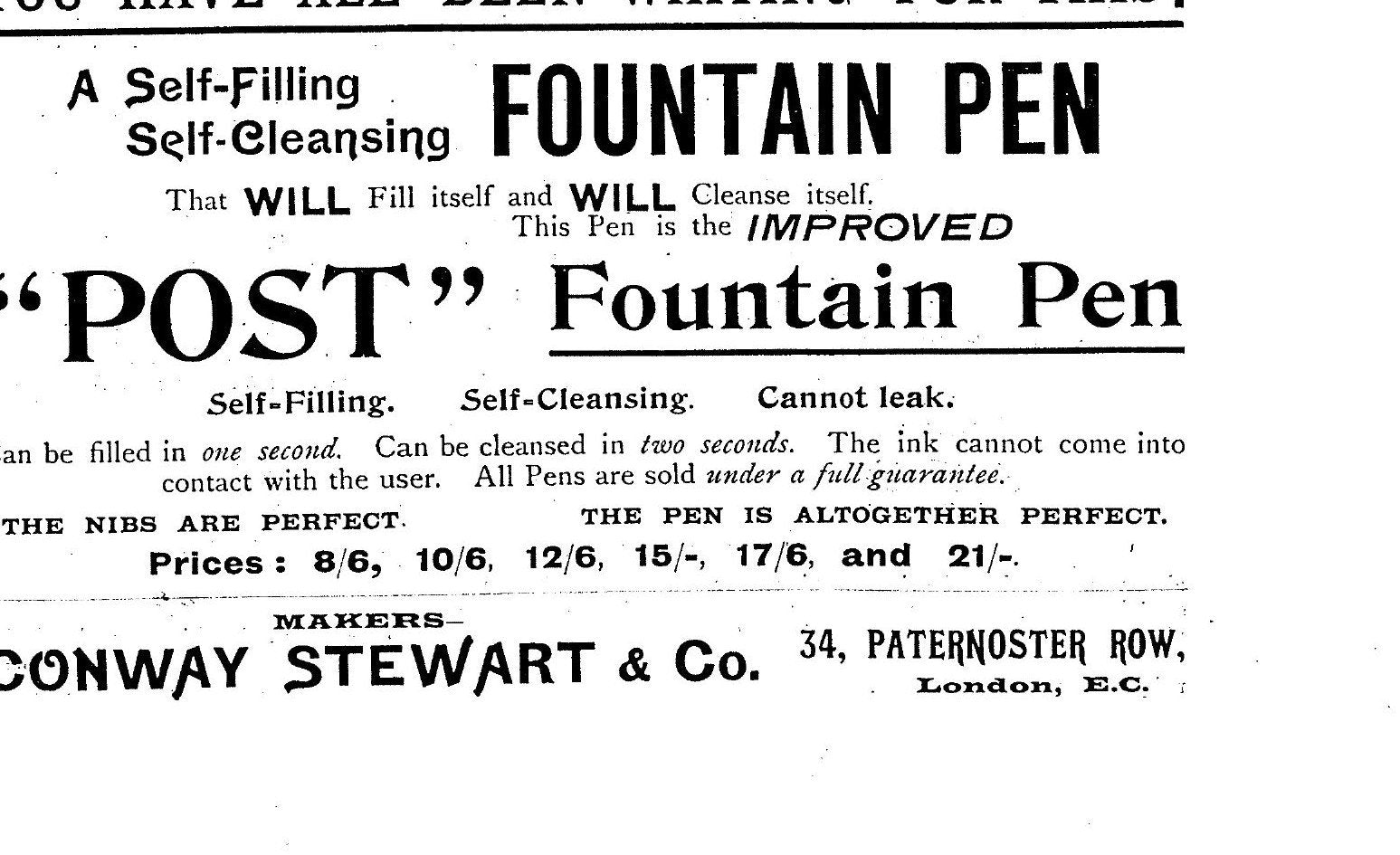
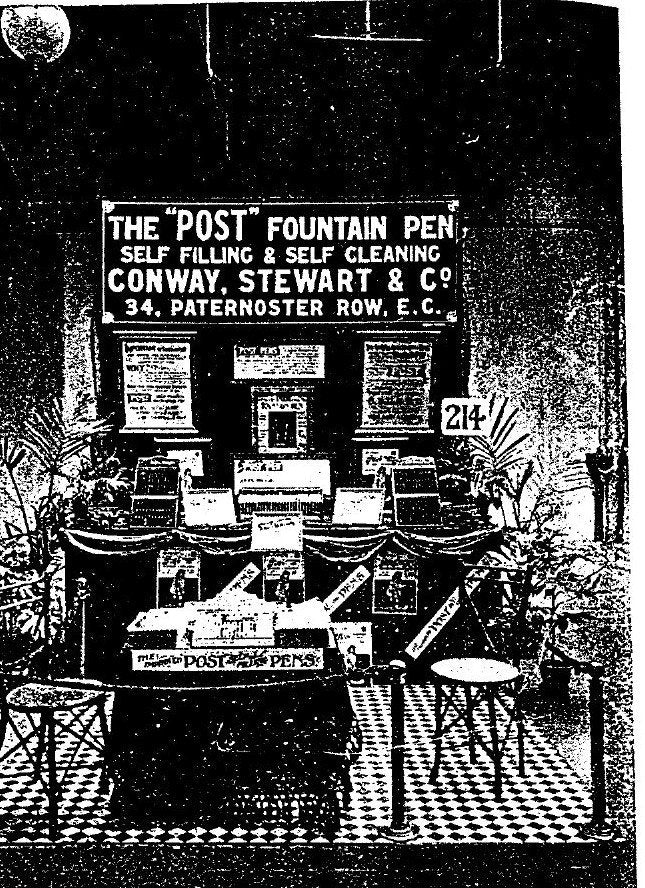
“This pen is retailed from 8s. 6d. to 21s., and the large number of inquiries and orders at the exhibition undoubtedly proves that the 'Post' pen has only to be shown to find a customer.”
A report on the firm's stand at the Printing Exhibition, its first appearance in front of the whole trade.
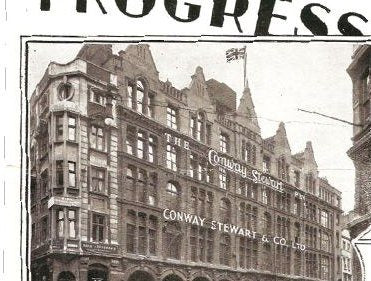
The self-filler they sold from three rooms off St Paul's is long gone. The house that sold it is not. The Post pen
Colour Arrives
1919–1938
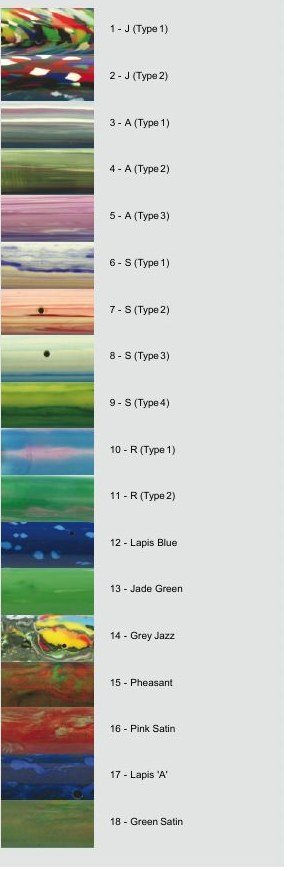
Until the 1920s pens were black, cut from vulcanite, a hard black rubber. Conway Stewart brought in coloured pens, and the record is blunt about what followed: the coloured types created a world-wide vogue. The colour came from casein, an early plastic made from milk, in shades named Lapis Blue, Jade Green, Grey Jazz and Pink Satin.
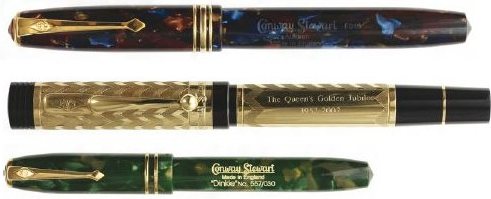
The pen that carried all this was the Dinkie, a miniature made from 1922 until 1972 and sold at 5/6. Its own advertising called it a great favourite, ideal for a vest pocket or a lady's handbag. Between 1922 and 1929 alone there were at least 25 different Dinkies.

“THE REGISTERED TRADE MARK of their successful line of miniature Fountain Pens”
A full-page notice reminding rival makers that the word Dinkie belonged to Conway Stewart, and warning of action for infringement.
The Dinkie is not in the range today. The Duro, on the bench beside it in those years, still is. The Dinkie
War Work
1939–1948
When the war came, the machines were turned over. The lathes were changed from plastic to metal work, and the factory made more than 20 million small parts, many of them accurate to one thousandth of an inch. It also made metal parts for insecticide sprayers, sent out for use in Burma.
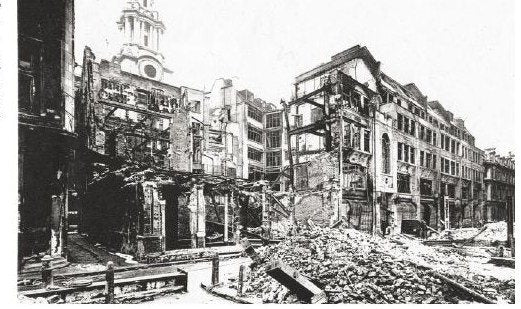
The building took fire bombs and, later, flying bombs, and came off lightly. On the night of Sunday 29 December 1940 the Luftwaffe burned out Paternoster Row and nearly everything around it, while Shoe Lane escaped with minor blast damage. The trade came to call it the charmed house.
It is June 1943. You may make one pen for every four you made in 1939, and the celluloid for the good ones has all but run out.


“In the fountain pen industry the manufacturers are operating under a licence to make 25 per cent. of what they made in 1939”
Stanley Jarvis setting out, in print, exactly how little the industry was allowed to make.
“5,000 people stormed Gimbell's New York store in search of the ball-point pen”
Looking back thirty years later, the paper dated the beginning of Conway Stewart's trouble to 29 October 1945. The directors had been told by their customers that the new pen was a flash in the pan, and they believed it.
The Golden Jubilee
1949–1962
In 1950 and 1951 the whole works moved east to Copperfield Road in Mile End, its reception lit by lampshades shaped like two large gold nibs. The original staff of two men and a boy had grown to nearly 400, and twenty-four nib grinders worked four to a bench. One finisher remembered the thrill of repairing a pen sent in by someone famous, such as Winston Churchill.
Gold stood at nearly £8 an ounce, so hands and overalls were washed in special basins to collect the dust that came off them. A few months after the move a gang overpowered the doorkeeper, rolled the safe out of the gold nib office on two lengths of broom handle, lit a fuse and retreated to the floor above. The blast jammed the door, they left almost empty-handed, and one man was convicted on the evidence of a piece of broom handle found under his floorboards.


“Today, nearly half the total production is exported”
A Golden Jubilee article on the new Mile End factory, written the summer after the anniversary lunch.
The oversize pen that topped the Jubilee list, at the head of the range again. The No. 100
The Long Dusk
1963–1975
The company had money and no appetite for change. In April 1963 it reported the previous year's profit at £11,000, with £80,000 cash in the bank. Two weeks later a bid arrived valuing Conway Stewart at £191,000, roughly 30% above the market price of the shares, and it was promptly accepted.
What the Welsh factory made was no longer fountain pens, with ballpen and fibre-tip production each rising to over a million units a week. At the peak more than a thousand people assembled pens at home in the valleys, collecting parts in cardboard boxes that had held tins of tomato soup and fetching them in push-chairs and home-made trolleys. The end came quickly: the winding-up order is dated 28 July 1975, and by September the Official Receiver had moved in with liabilities that might reach £6m.
You are given fifty gross of ballpens to assemble at home. A gross is 144. Even with practice two gross take an hour and a half, which works out at a shilling an hour, and you are not paid at all unless every pen is perfect.
1989
Indiana Jones and the Last Crusade

The scene has its own pen in the range today: the Indiana Jones pen
Revivals
1994–2014
For nearly twenty years the name belonged to nobody in particular. Don Yendle, who had been assembling pens in a converted primary school in a small village in south Devon, acquired the Conway Stewart trademarks in 1994 from an entrepreneur in Dubai who bought and sold trademarks.
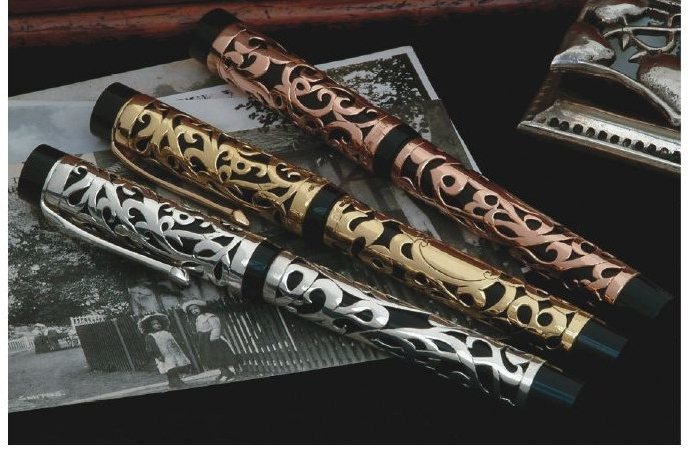
By 1997, after a great deal of trial and error, Yendle and a small team had made barrels and caps from casein the way it had been done in the 1920s, working from blocks shipped in from Italy. The pens went to people who make news: the Queen and the Duke of Edinburgh received solid 18ct 58s for their Golden Wedding, and in 2005 the Prime Minister presented No 58 sets to the G8 leaders. It did not hold, and the Plymouth business ceased trading in August 2014.

“the 109-year-old company”
How the trade press described Conway Stewart in the week the Plymouth factory stopped.
The oversize pen of the 1997 revival, and the one the workshop is still known for. The Churchill
Emsworth
2016–today
When the Plymouth factory closed, Bespoke British Pens Ltd bought what was left of it: the stock of components, the technical drawings, the domain and the trademark. Assembly of pens from those original components began in early 2015, first on the Isle of Wight and then at Emsworth in Hampshire.
It is a small business, of about five people. Nibs are 18ct gold, casein is cured for a minimum of three months before it is worked, and collections are limited to 500 pieces. The work still turns up in other people's stories, and the company's own account puts a Churchill in Darkest Hour and a Marlborough in both Kingsman films.
Some of the parts on the bench were made by the old company, bought when the last factory closed, and they are still being turned into pens.


The pen of this century is still made by hand. Choose yours. Made by hand
1905 — 2026
The Journey in Ink
Nine addresses. One line of ink.
Every home the company has had, from a back room in the City to the coast at Emsworth. Tap the names to meet each one.